Hydraulic attachments can make or break the profitability of a machine fleet. The right tool lifts productivity, widens the work you can take on, and extends the life of your base machines. The wrong one ties up capital, fails early, and fails repeatedly.
At Earthworm we appreciate the saying that “regret is insight that comes a day too late”. It’s why we place such importance on understanding the needs of our customers, why we focus on attachment application and equipment quality – and back this with responsive, attentive service.
This mindset has become increasingly important with the arrival in recent years of low-grade hydraulic attachments on our shores.
These look similar in photos and on spec sheets (and some even claim to come from the same factory as their more renowned counterparts). However, they are cheaper for a reason, with poorer steel, weak components and no real services back-up.
Here are four things to check before you buy an attachment for your digger.
1. Do the size, weight and hydraulics match your machine and work mix?
An attachment that is mismatched to the carrier costs you every day it runs. Too heavy and you lose stability, cycle speed, and transport flexibility. Too light and you lose breakout force, durability, and control.
So, before buying a hydraulic attachment, first consider how it will affect your machine. This includes:
- Machine weight range, including couplers or tiltrotators.
- Hydraulic flow and pressure at the attachment (not only at the pump).
- Duty cycle, for example continuous trenching, occasional rock work, demolition or bulk loading.
- Transport limits, including truck and trailer weights and local road rules.
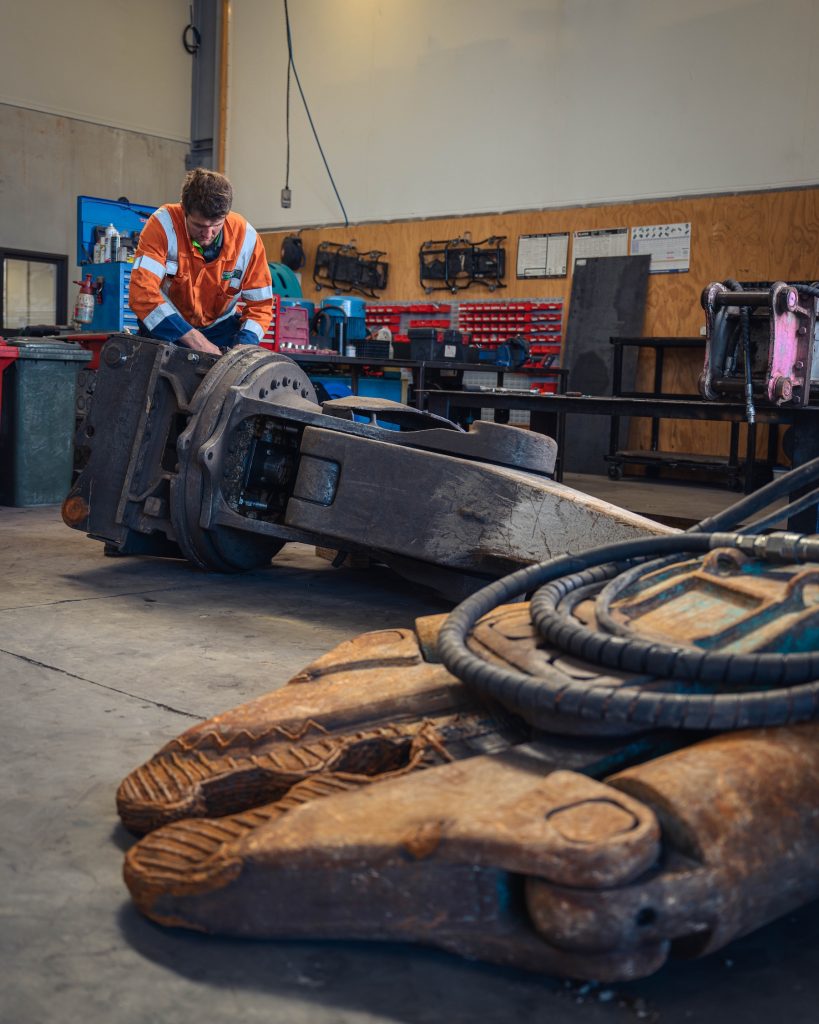
It’s important to remember that the attachment and carrier share the same hydraulic oil. So, contamination or overheating in the tool can quickly affect pumps, valves and other components in the base machine.
Quality manufacturers design by application, not just by tonnage, and a good supplier will walk through the jobs you do week in, week out. Only then will they provide the right options – so the attachment feels like part of the machine rather than an awkward add-on.
2. What lies beneath the surface?
Don’t make your decision at face value. A little paint and flashy photography can hide a lot, and the structure and component choices of an attachment are what keeps it going after thousands of hours. That’s why it’s so helpful to inspect an attachment in person. When you do, look closely at:
- Steel grade and thickness in high stress areas around pivots, mounting ears and cutting edges.
- Weld quality, including toe length, consistency, and access in tight corners.
- Protection of hoses, cylinders and motors from impact, abrasion and pinch points.
- Quality of pins, bushes, bearings and seals, and how easy they are to grease and replace.
Cheap steel and light sections might survive the first year. Problems usually appear later, when cracks start, pins oval out, and bushings wear long before they should. Any saving at purchase will then quickly disappear in repairs and downtime. We recently heard of a Kiwi operator who, upon attempting to rebuild his grapple, found it was built with no bushes on the pins.
3. Do you have a way to parts… or part ways?
Every hydraulic attachment needs attention at some point. Seals wear, hoses fail, rocks refuse to move, and operators have bad days. The real question is what happens on that day.
Here are the key service questions to ask early:
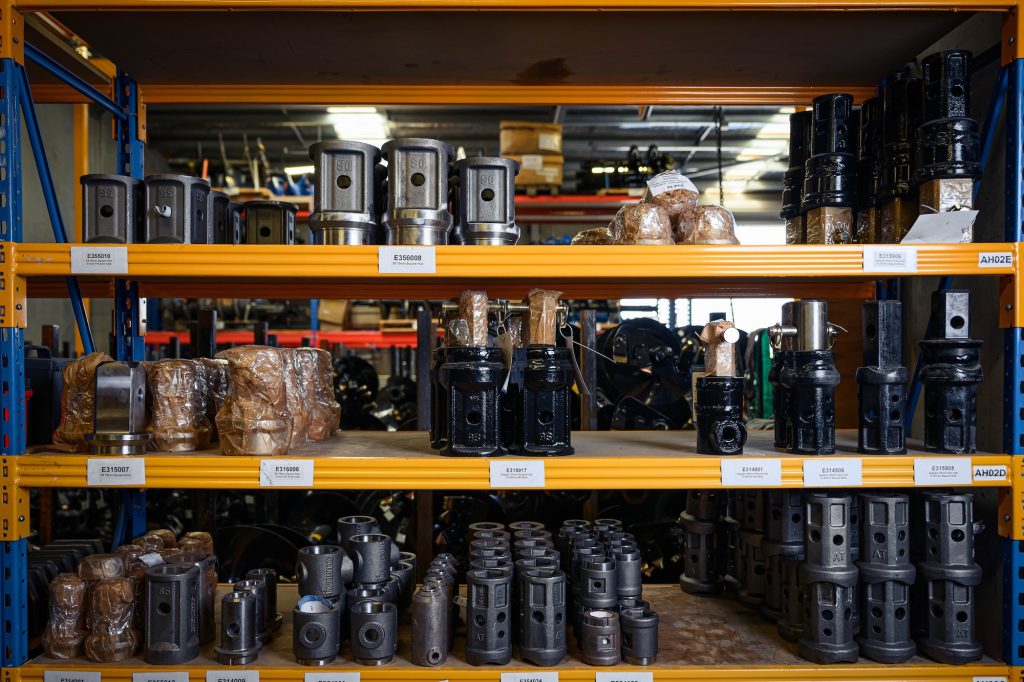
- Does the supplier hold stock of wear parts, pins, bushes, seals, motors and cylinders in NZ, or do they order on demand from overseas?
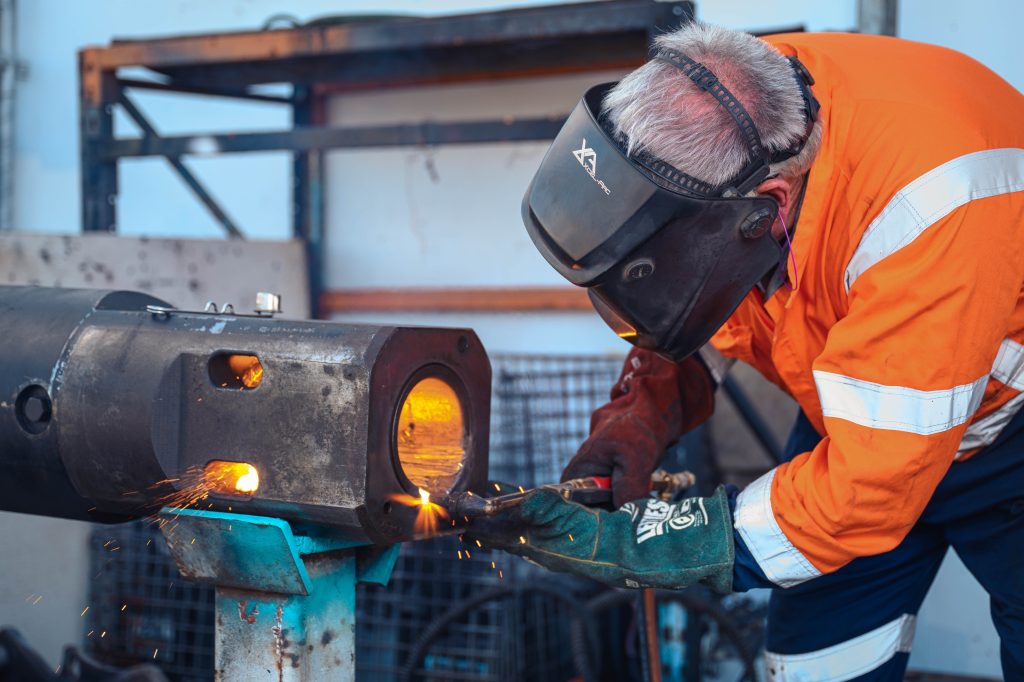
- Who repairs the attachment when there is a failure – in-house technicians, approved partners, or whoever you can find?
- How easy is it to access components for inspection, greasing and repair?
- Is there phone support from people who know the product, or only a generic sales contact?
Many cheap imports have no parts pathway at all. Post-sale the importer moves on, drawings are hard to obtain, and sometimes even a small failure can mean scrapping an otherwise useful tool.
At Earthworm we deliver depth of stock and speed of service. Our customers know that, should the worst happen, they won’t have a machine sitting idle while waiting on airfreight from a distant factory.
4. Will this attachment genuinely earn its keep over its working life?
Purchase price is only one line in the calculation. Other important measures to consider are the dollars earned per hour of reliable operation – and the price made in the years ahead should you decide to sell the attachment on.
To assess whole of life performance, work through:
- The expected hours per year and the conditions it will see.
- The productivity gain on each job compared with your current setup, or a cheaper option.
- The frequency and cost of wear parts, and how long change outs take.
- The likely re-sale value in your market in five or ten years.
Proven brands with strong local support command higher re-sale prices, because buyers know parts and backup are available. This residual value should be carefully assessed when comparing attachments pre-purchase.
At Earthworm, we always understand the application before recommending any attachment. We only supply equipment if we’re prepared to support it in the field for its full working life. And we hold parts and provide service backup. Our customers know they won’t be left stranded when something fails.
In a market where low grade imports appear overnight (and vanish just as fast), it’s this service promise that makes such a difference.